How Did Railway Transport Change the Cut Flower Trade?
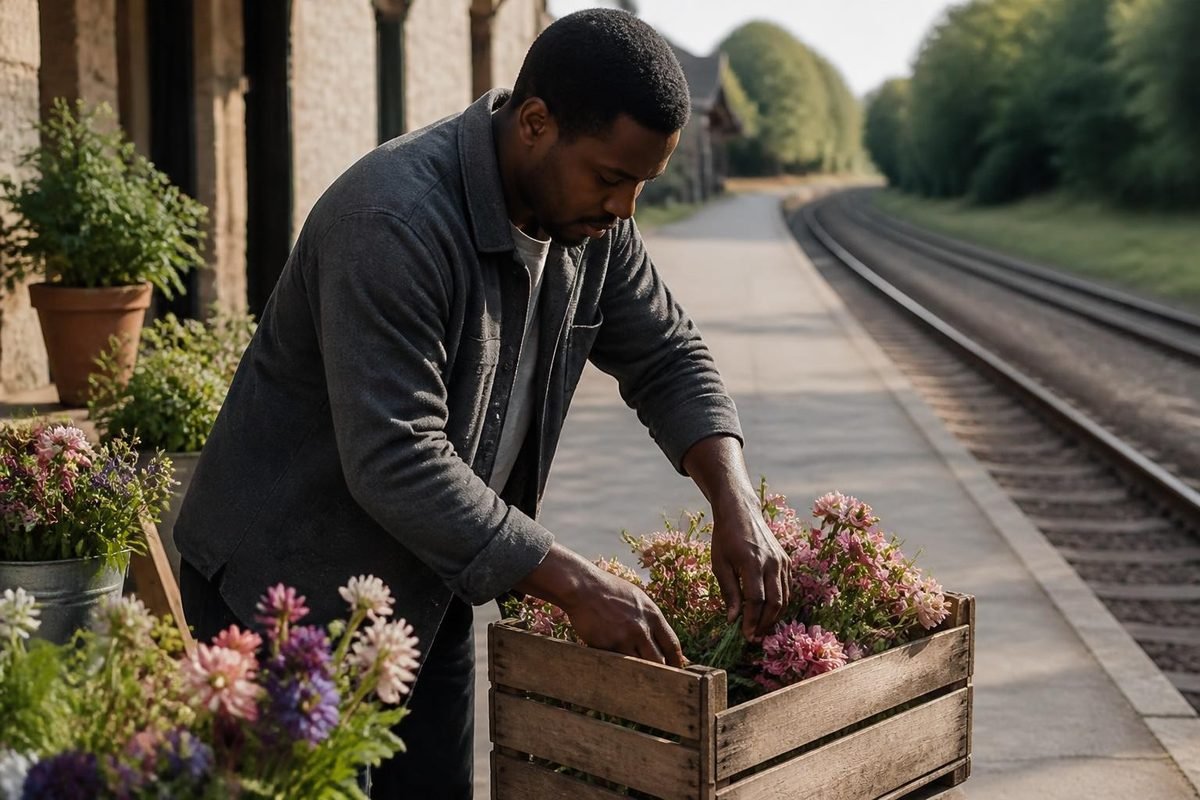
Railway transport changed the cut flower trade by carrying fresh blooms from growers to distant markets more quickly and reliably than many earlier forms of land transport. It helped flowers reach more city buyers and encouraged growers, dealers and sellers to organize their work around train schedules.
From local gardens to distant markets
Cut flowers have a short useful life. Before railways, a long journey by road could leave delicate petals bruised and stems short of water. Many flowers sold in towns therefore had to come from gardens and nurseries close enough to deliver them while they still looked fresh.
Railways made longer journeys more practical. Growers outside cities could send flowers to urban markets without relying entirely on slow road journeys. Distance still mattered, but it no longer had to be as strict a limit on where flowers could be sold.
This did not happen everywhere at once. The effect depended on the routes available, the speed of service and the cost of getting flowers to and from a station.
Freshness became a shared task
A train journey was only one part of a flower's trip. Blooms also had to be cut, packed, carried to a station and collected at the other end. Each stage needed care because a delay could shorten the time a seller had to offer them.
A typical journey involved several steps:
- Growers cut flowers and prepared the stems for travel.
- They packed the blooms to protect petals and reduce damage.
- The packages went to a railway station for transport.
- On arrival, dealers or sellers collected the flowers and prepared them for sale.
Good packing mattered as much as speed. Flowers needed protection from crushing, and keeping them cool could help preserve their freshness. Methods varied with the flowers, the journey and the facilities available.
Growers and city sellers became more connected
Rail links gave growers access to customers beyond their immediate area. A nursery could focus more of its work on producing flowers for sale, knowing that a train might carry its crop to a larger market. City dealers, in turn, could draw supplies from a wider growing area.
This connection also brought new pressures. Flowers had to be ready at the right time, and missed connections could mean lost freshness. Sellers depended on deliveries arriving in good condition, while growers depended on a market for a crop that could not easily be stored for long.
A wider choice of flowers
By linking growing areas with cities, railways helped expand the range of flowers available in some markets. Buyers were less dependent on what could be grown within a short road journey, although seasons and local growing conditions still shaped the choice.
Rail transport did not remove the need for careful handling or make every flower available everywhere. Its lasting change was to bring growers and buyers closer in practical terms, giving cut flowers a better chance of arriving fresh after a longer journey.
More to read: more details